How We Healed Together: A Real Family’s Comeback from Burnout
Have you ever felt so drained that even small tasks seemed impossible? I did—along with my entire family. After months of stress, poor sleep, and constant tension, we realized we weren’t just tired; we were falling apart. That’s when we began a journey focused on real recovery: not just physical rest, but emotional reconnection and daily habits that actually work. This is how we rebuilt strength, peace, and harmony—one practical step at a time.
The Breaking Point: When Exhaustion Hits Home
It started slowly—late-night emails, skipped dinners, and children falling asleep with screens glowing in their rooms. No single event signaled disaster, but over time, a quiet weariness settled into our home. Moods grew short, voices sharper. A simple request like “Please take out the trash” could spiral into silence or snapping. We were all exhausted, but no one felt seen in their fatigue. The youngest began having trouble concentrating at school; the oldest withdrew, retreating behind headphones and closed doors. I, too, felt physically heavy—aching shoulders, restless nights, a mind that raced even when my body was still.
This kind of exhaustion isn’t just about long hours or busy calendars. It’s a full-system depletion that affects how we think, feel, and relate to one another. When the body is under chronic stress, it releases cortisol, a hormone designed for short-term survival but damaging when sustained over weeks or months. Elevated cortisol disrupts sleep, weakens immunity, and impairs emotional regulation. What many dismiss as “being tired” is often the early stage of burnout—a condition now recognized by the World Health Organization as an occupational phenomenon with profound effects on personal well-being.
For families, burnout isn’t isolated. One person’s fatigue can ripple through the household, altering the emotional climate like a storm front moving in. Children absorb tension even when it’s unspoken. Partners grow distant, mistaking irritability for disinterest. The truth we learned is that recovery cannot be pursued alone. Healing must be collective. Just as illness can spread in close quarters, so too can wellness—when nurtured intentionally. Our turning point came not from a doctor’s diagnosis, but from a shared realization: we were not lazy, undisciplined, or broken. We were depleted. And the only way forward was together.
Why Family Harmony Matters in Recovery
Science confirms what many intuitively feel: emotional environments are contagious. A study published in the journal Psychosomatic Medicine found that stress levels in one family member correlate strongly with the cortisol patterns of others, especially in parent-child relationships. This isn’t mere mimicry—it’s physiological synchronization. When one person is chronically stressed, their emotional signals—tone of voice, facial expressions, body language—trigger similar stress responses in those around them. Over time, this creates a feedback loop that deepens exhaustion for everyone.
But the same mechanism can work in reverse. Healing, too, can be shared. When one person practices calm, others absorb it. When communication becomes predictable and kind, the nervous system begins to relax. This is why emotional safety is not a luxury—it’s a biological necessity for recovery. Research from the University of California shows that individuals in supportive family environments experience faster wound healing, better sleep quality, and stronger immune responses compared to those in high-conflict homes. The presence of trust and affection literally changes how the body repairs itself.
Feeling emotionally connected reduces cortisol and increases oxytocin, often called the “bonding hormone.” Oxytocin doesn’t just make us feel closer to others—it lowers blood pressure, reduces inflammation, and supports restful sleep. In our home, we began to see that every moment of genuine connection—laughing over a shared joke, listening without interrupting, offering a hug without agenda—was not just emotional comfort, but active medicine. The path to physical recovery wasn’t just about sleep or nutrition; it ran through the quality of our daily interactions. Harmony wasn’t the result of healing. It was the foundation.
The First Step: Aligning Routines Without the Drama
Change didn’t begin with grand declarations. It started with bedtime. We realized that while we lived under one roof, we were operating on completely different rhythms. One child stayed up past midnight, another woke at dawn; parents collapsed in front of the TV long after the house should have quieted. This misalignment wasn’t just inconvenient—it was eroding our collective energy. Sleep is the body’s primary recovery tool, and when family members sleep at different times, the home never truly rests.
We introduced a synchronized wind-down routine. At 8:30 p.m., all screens were turned off and placed in a charging basket in the kitchen. By 9:00, soft lighting replaced overhead bulbs, and calming music or audiobooks played in shared spaces. Children were encouraged to read or journal, while adults practiced light stretching or quiet conversation. Lights out was set for 9:30 for younger members, 10:00 for teens and parents. At first, resistance emerged—eye-rolling, whispered complaints, attempts to sneak phones under blankets. But consistency mattered more than perfection. Within three weeks, the house felt calmer, not because rules were strict, but because predictability returned.
Meal planning followed. Instead of last-minute takeout or solitary snacks, we began weekly family meetings to discuss meals. Each person had a role: one chose proteins, another vegetables, a third suggested grains. The goal wasn’t gourmet—it was nourishment and participation. We discovered that involving children in decisions reduced mealtime battles. Even simple acts like setting the table together or lighting a candle created a sense of occasion, turning eating into an event rather than a chore. These routines didn’t eliminate stress, but they created anchors—daily touchpoints of stability that reminded us we were moving in the same direction.
Moving Together: Low-Pressure Physical Reconnection
Physical activity had long been associated with guilt in our home—missed workouts, failed fitness apps, comparisons to idealized images online. We decided to redefine movement not as punishment or performance, but as shared presence. Our first step was the evening walk. No distance goals, no tracking. Just 20 minutes after dinner, stepping outside together, regardless of weather. Rain or shine, we moved—sometimes in silence, sometimes talking, often laughing at something a child said or a dog chasing a leaf.
These walks did more than improve circulation. They created space for conversation without pressure. Without the expectation of solving problems, we began to share small things—the squirrel that built a nest in the oak tree, the neighbor’s new garden, a dream one of us had the night before. Light movement increases blood flow to the brain, which supports emotional regulation and creativity. But more importantly, walking side by side, rather than face to face, made it easier to speak honestly. There was no need to maintain eye contact, no performance of listening—just being together in motion.
We added stretching breaks during homework time—five minutes of simple movements like reaching arms overhead, gentle twists, or seated forward bends. These were not yoga classes; they were pauses. Children reported less back pain from sitting, and parents noticed fewer tension headaches. On weekends, we explored local parks, trails, or even botanical gardens. The goal was never intensity, but immersion in nature. Studies show that spending time in green spaces lowers cortisol and improves mood. For us, it became a form of collective reset—a way to step outside the cycle of demands and reconnect with something larger than our daily worries.
Eating as a Family Act of Care
Nutrition was another area where shame once lived. Diets came and went, labeled as “failures” when weight didn’t change. We shifted focus from restriction to nourishment. Instead of asking, “What can I cut out?” we began asking, “What can we add in?” More vegetables, more fiber, more colors on the plate. We prioritized whole foods—oats, beans, fruits, lean proteins, whole grains—but without banning anything. The message was not purity, but care.
Shared meals became non-negotiable. Even on busy nights, we ate together for at least twenty minutes. Phones stayed in another room. Conversation flowed around simple prompts: “What was one good thing today?” or “What are you looking forward to tomorrow?” These moments did more than improve digestion—they rebuilt communication. Children felt heard. Parents felt connected. The act of preparing food together—chopping vegetables, stirring soup, setting the table—became a quiet form of love.
We developed a rotation of quick, balanced meals: lentil soup with whole-grain bread, baked salmon with roasted sweet potatoes, stir-fried tofu with brown rice and broccoli. Weekends included one “fun meal” chosen by the kids—tacos, homemade pizza, or pancakes—so no food felt forbidden. The transformation wasn’t in weight loss or perfect eating. It was in the atmosphere. Meals were no longer rushed or fraught with guilt. They became predictable, pleasurable, and deeply relational. And as our eating became more consistent and balanced, energy levels rose, moods stabilized, and late-night cravings faded.
Talking Without Fighting: Creating Emotional Safety
One of the most powerful shifts came from a simple practice: nightly check-ins. For five minutes before bed, we gathered in the living room. Each person shared one thing from their day—something hard, something good, or something neutral. No advice was given. No corrections made. Just listening. At first, responses were minimal: “Fine,” “Okay,” “Nothing.” But over time, as trust built, deeper things emerged. A child admitted feeling left out at school. A parent shared a work worry. No moment was dismissed. No emotion was labeled “too much.”
This practice created what psychologists call emotional safety—the sense that one can be vulnerable without fear of judgment or rejection. When people feel safe, they are more likely to express needs early, before they escalate into conflict. We began to notice signs of burnout sooner: irritability, withdrawal, changes in sleep. Instead of reacting with frustration, we responded with care: “You seem tired. Want to talk?” or “Let’s take a walk tomorrow.” These small interventions prevented bigger breakdowns.
Gratitude sharing became another anchor. Each night, someone offered one thing they appreciated about another family member. “I’m grateful Mom made my favorite soup,” or “I’m glad Dad helped me with my project.” These statements weren’t grand, but they rewired our attention. Instead of focusing on what was missing, we began to notice what was present. Research from the Greater Good Science Center at UC Berkeley shows that regular gratitude practice increases happiness and reduces symptoms of depression. In our home, it became a quiet rebellion against negativity—a daily reminder that love was still there, even on hard days.
Staying on Track: Building Habits That Stick
Progress wasn’t linear. There were weeks when school projects, travel, or illness disrupted routines. Old habits crept back—late nights, screen binges, takeout every night. But we learned to respond with compassion, not criticism. The goal wasn’t perfection, but return. Each time we slipped, we asked: “What can we restart tomorrow?” This mindset shift—from all-or-nothing to gentle continuity—was crucial.
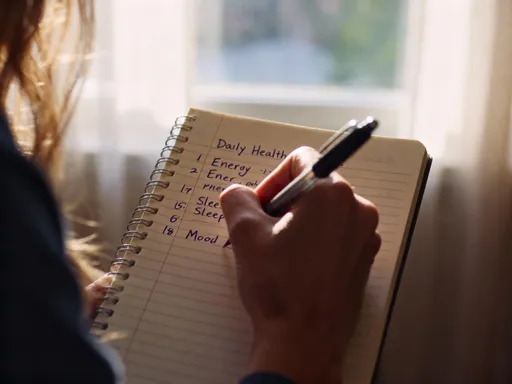
We introduced visual trackers: a simple chart on the fridge marking completed family walks, shared meals, or check-ins. Stickers for the kids, initials for adults. It wasn’t about competition, but awareness. Seeing a streak of green checkmarks motivated us to keep going. Monthly family meetings allowed us to reflect: What’s working? What’s hard? What do we want to adjust? These meetings fostered ownership. Children suggested new ideas—“Can we try meatless Mondays?” or “Let’s have a tech-free Saturday.” When everyone has a voice, commitment deepens.
We also learned to celebrate small wins. Finishing a week of consistent bedtimes. Cooking a new recipe together. Having a conflict and resolving it calmly. These moments were acknowledged, not with fanfare, but with quiet recognition: “We did that. We’re learning.” Resilience wasn’t built in dramatic turns, but in the daily choice to try again. And each return strengthened our confidence that we could sustain change, not because we were perfect, but because we were persistent.
Conclusion
Recovery isn’t a solo mission. When families heal together—through aligned rhythms, kind communication, and shared movement and meals—the body responds faster and the home becomes a true sanctuary. This isn’t about quick fixes, but lasting change built on presence, patience, and practical care. What matters most isn’t perfection, but showing up—for your body, and for each other. Our journey didn’t erase life’s pressures, but it gave us tools to meet them with greater strength and unity. Healing, we discovered, is not a destination. It’s a practice—one we continue, every day, together.