What I Ate to Keep My Hair Healthy — A Real Diet Guide That Actually Helps
Losing hair can be frustrating, especially when you’re not sure why it’s happening. I started noticing more strands in my brush and wondered if my diet was to blame. After digging into research and adjusting what I ate, I saw real improvements. It’s not about magic pills or extreme fixes—just simple, science-backed food choices that support hair health from within. This is what worked for me, and why nutrition matters more than most people think.
Understanding Hair Loss: More Than Just Genetics
Hair thinning is a common concern, particularly among women over 30, and while many assume it’s solely due to heredity, the truth is more complex. Genetics do influence when and how hair loss begins, but they are only one piece of a much larger puzzle. Factors such as chronic stress, hormonal fluctuations (especially during pregnancy, postpartum, or menopause), aging, and notably, nutritional deficiencies, play significant roles in the condition of your hair. When hair strands start shedding more than usual—say, clogging the shower drain or piling up on your brush—it may be your body’s quiet signal that something is off balance.
The hair growth cycle consists of three main phases: anagen (growth), catagen (transition), and telogen (resting). Normally, about 85–90% of your hair is in the growth phase at any given time. However, nutritional shortfalls or prolonged stress can prematurely push growing hairs into the resting phase, leading to increased shedding a few months later. This condition, known as telogen effluvium, is often temporary but can become chronic if the underlying cause isn’t addressed. Unlike permanent genetic hair loss, which typically follows a predictable pattern, this type of shedding is frequently reversible with the right interventions.
Among the most well-documented nutritional deficiencies linked to hair loss are low levels of iron, zinc, vitamin D, biotin, and certain B vitamins. Iron deficiency, especially in premenopausal women, is one of the most common reversible causes of hair thinning. Iron helps red blood cells carry oxygen to hair follicles, and without enough, the follicles may not function optimally. Similarly, vitamin D plays a role in the creation of new hair follicles, and low levels have been associated with both alopecia areata and diffuse hair loss. While not everyone with hair shedding has a deficiency, screening for these nutrients through a simple blood test can provide valuable insight.
The good news is that while you can’t change your DNA, you can influence your lifestyle and diet—two powerful levers for supporting healthy hair. By focusing on nutrient-dense foods and addressing potential gaps, you create a supportive internal environment where hair can thrive. This doesn’t mean drastic overhauls or expensive supplements. It means making informed, sustainable choices that nourish your body from the inside out. Understanding the root causes is the first step toward meaningful change.
The Hair-Boosting Nutrients You’re Probably Missing
Many women go about their daily lives unaware that subtle nutrient gaps could be undermining their hair health. Unlike acute deficiencies that cause obvious symptoms, mild or moderate shortfalls often fly under the radar—until physical signs like brittle nails, fatigue, or increased hair shedding appear. Several key nutrients are directly involved in maintaining strong, healthy hair, and falling short on even one can disrupt the delicate biology of the hair follicle. Among the most critical are iron, vitamin B12, folate, and omega-3 fatty acids—each playing a unique and essential role.
Iron stands at the top of the list, particularly for women who menstruate. It is a core component of hemoglobin, the protein in red blood cells that transports oxygen throughout the body. Hair follicles are highly active and require a steady supply of oxygen to support growth. When iron stores dip too low—even before anemia develops—this process can slow down, leading to thinner, weaker hair. Studies have shown that women with unexplained hair loss often have lower serum ferritin levels, a marker of iron storage. The good news is that iron levels can often be improved through diet, especially when paired with vitamin C to enhance absorption.
Vitamin B12 and folate are also vital for healthy hair, as they support red blood cell production and DNA synthesis—both crucial for rapidly dividing cells like those in the hair matrix. B12 is primarily found in animal products, so those following plant-based diets should be especially mindful of their intake and may benefit from fortified foods or supplementation under medical guidance. Folate, abundant in leafy greens, legumes, and citrus fruits, works synergistically with B12 to support cellular health. A deficiency in either can lead to megaloblastic anemia, which has been linked to hair thinning.
Omega-3 fatty acids, though not as commonly discussed in hair care circles, are powerful allies. These essential fats have anti-inflammatory properties that help maintain a healthy scalp environment. Inflammation around the follicle can disrupt the growth cycle and contribute to shedding. Omega-3s also support the structural integrity of hair by nourishing the cell membranes of the scalp. Since the body cannot produce these fats on its own, they must come from food sources like fatty fish, flaxseeds, chia seeds, and walnuts. Including these regularly in the diet can make a noticeable difference over time.
Rather than relying on supplements without guidance, focusing on food sources ensures better absorption and reduces the risk of imbalance. Whole foods offer a complex matrix of nutrients that work together, enhancing bioavailability. For example, pairing iron-rich lentils with a squeeze of lemon juice significantly boosts iron uptake. By building meals around these nutrient-dense ingredients, you support not just your hair, but your overall well-being.
Protein: The Building Block Your Hair Is Made Of
At its core, hair is made of a protein called keratin. This tough, fibrous structure gives hair its strength and resilience. When the body lacks adequate protein, it prioritizes vital organs over non-essential functions like hair growth, which can lead to weakened strands and increased shedding. This is especially relevant for women who may unintentionally reduce protein intake while trying to manage weight or follow restrictive eating patterns. While protein deficiency is less common in developed countries, suboptimal intake—particularly of high-quality, complete proteins—can still impact hair health.
The body does not store protein the way it stores fat or carbohydrates, so a consistent daily intake is essential. When protein intake drops too low, the hair growth cycle can be disrupted. Hairs may enter the resting phase earlier than normal, resulting in noticeable thinning a few months later. This type of shedding is often reversible once protein intake is restored, but it underscores the importance of including protein at every meal. Experts generally recommend that adults consume about 0.8 grams of protein per kilogram of body weight daily, though individual needs can vary based on age, activity level, and overall health.
Good sources of protein include both animal and plant-based options. Eggs, chicken, turkey, fish, and Greek yogurt are excellent animal sources, each providing all nine essential amino acids needed for tissue repair and growth. For plant-based eaters, combining different protein sources—such as lentils with rice or beans with corn—can ensure a complete amino acid profile. Tofu, tempeh, edamame, quinoa, and nuts are also valuable contributors. Including a palm-sized portion of protein at each meal helps maintain steady levels throughout the day.
It’s important to note that more protein is not always better. Excessive intake does not accelerate hair growth and can strain the kidneys in susceptible individuals. The key is consistency and balance. A breakfast of scrambled eggs with spinach, a lunch salad with grilled chicken and chickpeas, and a dinner of salmon with quinoa and vegetables provide steady support for hair without overdoing it. Over time, this balanced approach leads to stronger, more resilient strands and a healthier scalp.
Iron and Zinc: The Unsung Heroes of Scalp Health
Iron and zinc are two minerals that work quietly behind the scenes to support hair health, yet they are frequently overlooked in everyday diets. Iron, as previously discussed, is essential for oxygen delivery to hair follicles. But its role extends beyond just preventing anemia—adequate iron stores are linked to sustained hair growth and reduced shedding. Women, especially those with heavy menstrual cycles, are at higher risk for iron deficiency, making this mineral particularly important. Symptoms like fatigue, pale skin, and cold hands and feet often accompany low iron, and hair thinning can be another clue that levels need attention.
There are two types of dietary iron: heme and non-heme. Heme iron, found in animal products like lean red meat, poultry, and fish, is more easily absorbed by the body. Non-heme iron, present in plant sources such as spinach, lentils, and fortified grains, is less efficiently absorbed but can still contribute significantly when paired with vitamin C-rich foods. For example, adding tomatoes or bell peppers to a lentil stew, or squeezing lemon juice over a spinach salad, can increase iron absorption by up to six times. This simple dietary strategy makes a meaningful difference without requiring supplements.
Zinc is another critical player in hair health. It supports the rapid cell division that occurs in the hair follicle and helps maintain the oil glands around the follicles, keeping the scalp moisturized and healthy. Zinc also plays a role in immune regulation, and imbalances—either too little or too much—can contribute to hair loss. Deficiency may result from poor diet, certain digestive disorders, or excessive alcohol consumption. On the other hand, high-dose zinc supplements can interfere with copper absorption and lead to hair shedding, so balance is key.
Good dietary sources of zinc include oysters, beef, pumpkin seeds, chickpeas, and yogurt. A quarter cup of pumpkin seeds, for instance, provides nearly half the daily recommended intake for women. Incorporating these foods into regular meals—such as a breakfast smoothie with yogurt and seeds, or a dinner of lean beef with roasted sweet potatoes and greens—ensures a steady supply. Unlike iron, zinc from both animal and plant sources is reasonably well absorbed, though phytates in whole grains and legumes can slightly reduce availability. Soaking or fermenting these foods can help improve absorption.
Together, iron and zinc form a powerful duo for scalp and hair health. By focusing on whole food sources and smart food pairings, women can naturally support these mineral levels and create a strong foundation for healthier hair. Regular blood tests can help monitor levels and guide any necessary adjustments under the care of a healthcare provider.
Fats That Fight Inflammation and Feed Follicles
Not all fats are created equal, and when it comes to hair health, the right kinds can make a significant difference. Healthy fats, particularly omega-3 fatty acids, play a crucial role in reducing inflammation, supporting cell membrane integrity, and maintaining a well-hydrated scalp. Chronic, low-grade inflammation has been linked to various forms of hair loss, including androgenetic alopecia and telogen effluvium. By incorporating anti-inflammatory fats into the diet, you help create a more favorable environment for hair growth.
Omega-3s are essential fats that the body cannot produce on its own, so they must come from food. Fatty fish like salmon, mackerel, and sardines are among the best sources of EPA and DHA, the most bioavailable forms of omega-3s. For those who don’t eat fish, plant-based sources like flaxseeds, chia seeds, and walnuts provide ALA, which the body can convert—though less efficiently—into EPA and DHA. Including a serving of fatty fish twice a week or adding ground flaxseed to oatmeal or smoothies can significantly boost intake.
A dry, itchy scalp or brittle, easily broken hair may be signs of essential fatty acid deficiency. These fats help produce sebum, the natural oil that conditions the scalp and protects hair strands. Without enough, the scalp can become flaky and irritated, and hair may lose its natural shine and elasticity. Omega-3s also support blood circulation to the scalp, ensuring that follicles receive the nutrients they need to stay active and healthy.
On the other hand, ultra-processed oils high in omega-6 fatty acids—like soybean, corn, and sunflower oils—and trans fats found in fried and packaged foods can promote inflammation when consumed in excess. While some omega-6 is necessary, the modern Western diet often contains far too much, creating an imbalance that may negatively affect hair. Reducing intake of processed snacks, fast food, and bottled salad dressings can help restore a healthier ratio of fats.
Simple swaps make a big difference: choosing olive oil over vegetable oil, snacking on walnuts instead of chips, or enjoying a chia seed pudding made with almond milk and berries. These small changes not only support hair health but also benefit heart health, brain function, and overall vitality. Over time, a diet rich in healthy fats leads to softer, shinier hair and a more comfortable scalp.
Everyday Foods That Support Stronger, Fuller Hair
You don’t need exotic superfoods or expensive powders to support healthy hair. Some of the most effective foods are already within reach—common, affordable ingredients that can easily be incorporated into daily meals. Eggs, sweet potatoes, berries, nuts, and Greek yogurt are all excellent choices, each contributing unique nutrients that support different aspects of hair biology. The key is variety and consistency, not perfection.
Eggs are a nutritional powerhouse for hair. They contain high-quality protein, biotin, selenium, and B vitamins—all essential for hair strength and growth. The yolk, in particular, is rich in fats that nourish the scalp and support sebum production. Eating whole eggs (not just whites) ensures you get the full spectrum of these nutrients. A simple breakfast of two scrambled eggs with vegetables provides a strong start to the day.
Sweet potatoes are packed with beta-carotene, which the body converts into vitamin A. This vitamin supports the production of sebum and helps keep the scalp moisturized. However, it’s important not to overconsume vitamin A, as excessive amounts can actually contribute to hair loss. Getting it from food sources like sweet potatoes, carrots, and spinach is safe and effective. Roasting sweet potato cubes with a drizzle of olive oil makes for a satisfying side dish.
Berries, especially blueberries and strawberries, are rich in vitamin C and antioxidants. Vitamin C not only enhances iron absorption but also supports collagen production, a structural protein that strengthens hair. Antioxidants help protect hair follicles from oxidative stress caused by environmental factors like pollution and UV exposure. Adding a handful of berries to yogurt or oatmeal is an easy way to boost intake.
Nuts like almonds, walnuts, and Brazil nuts offer a mix of healthy fats, vitamin E, and selenium. Vitamin E protects hair from damage, while selenium supports thyroid function—another factor linked to hair health. Just a few Brazil nuts a day can meet your selenium needs, but moderation is key, as too much can have adverse effects. Greek yogurt provides protein, probiotics, and vitamin B5 (pantothenic acid), which may improve blood flow to the scalp and reduce hair fall.
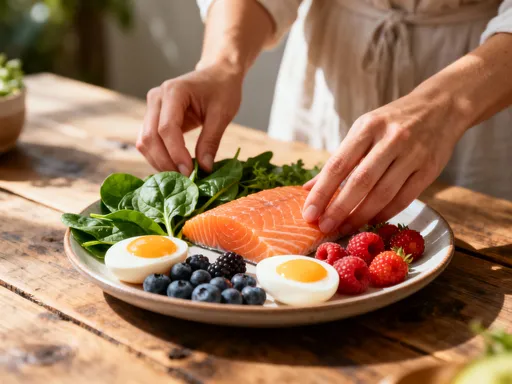
Simple meal ideas include a spinach and berry smoothie with chia seeds, oatmeal topped with sliced banana and almonds, or a mixed green salad with grilled salmon, beets, and pumpkin seeds. These meals are not only hair-friendly but also satisfying and nutritious. The goal is to build a diet that supports long-term health, not just short-term results.
Putting It All Together: A Sustainable Eating Pattern for Hair Health
While individual nutrients matter, the bigger picture is your overall eating pattern. The most effective approach to supporting hair health is a balanced, whole-foods-based diet that emphasizes variety, moderation, and consistency. The Mediterranean diet, widely recognized for its heart and brain benefits, also aligns perfectly with the nutritional needs of healthy hair. It includes abundant vegetables, fruits, whole grains, legumes, nuts, olive oil, and moderate amounts of fish, poultry, and dairy—essentially all the components that support strong, resilient hair.
This way of eating naturally provides the protein, healthy fats, vitamins, and minerals needed for optimal hair function. It also limits ultra-processed foods, added sugars, and unhealthy fats, which can contribute to inflammation and nutrient imbalances. Unlike restrictive diets that cut out entire food groups or rely on juice cleanses, the Mediterranean approach is sustainable and nourishing. Extreme calorie restriction, often seen in fad diets, can trigger hair shedding by depriving the body of essential nutrients. The body interprets severe calorie cuts as a form of stress, which can push hair follicles into the resting phase.
Patience is essential. Hair grows slowly, and changes in diet take time to reflect in your strands. Most people begin to see improvements in hair texture and reduced shedding after three to six months of consistent, nutrient-rich eating. This is not a quick fix, but a long-term investment in your health. Mindful eating—paying attention to hunger cues, enjoying meals without distraction, and choosing whole foods—supports both physical and emotional well-being.
It’s also important to recognize that diet alone may not resolve all hair concerns. Underlying medical conditions such as thyroid disorders, polycystic ovary syndrome (PCOS), or autoimmune diseases can contribute to hair loss and require professional evaluation. If shedding persists despite dietary improvements, consulting a healthcare provider for blood work and a thorough assessment is crucial. A registered dietitian can also help tailor a plan that meets individual needs and preferences.
Ultimately, healthy hair is a reflection of overall health. By nourishing your body with real, wholesome foods, you create the internal conditions where hair can grow strong and vibrant. This isn’t about achieving perfection or following rigid rules. It’s about making better choices most of the time and giving your body the tools it needs to thrive. When combined with proper hair care and medical guidance when needed, good nutrition becomes one of the most powerful allies in your journey toward healthier hair.
Healthy hair starts from within. While no single food will stop hair loss overnight, consistent, nutrient-rich eating creates the foundation for stronger, shinier strands. This isn’t about perfection—it’s about making better choices most of the time. Combine good nutrition with proper care and professional advice, and you give your hair the best chance to thrive.