Your Body's Daily Defense: How Small Habits Build Big Resilience
Living well isn’t about drastic changes—it’s about consistent, smart choices that strengthen your body from the inside out. I’ve tested simple daily habits that support long-term wellness, from morning routines to sleep fixes, and the shifts were noticeable. This isn’t a cure-all, but real, science-backed steps that help your body stay resilient. Always check with your doctor, but these proven strategies made a difference for me—and they might for you too.
The Hidden Power of Daily Routines in Preventive Health
Most people wait until they feel unwell before taking action, but true health begins long before symptoms appear. The quiet, everyday decisions—what you drink, how you move, when you rest—collectively shape your body’s ability to resist illness and recover quickly. Preventive health is not about fear or avoiding sickness at all costs; it’s about building strength, balance, and awareness over time. Scientific research consistently shows that lifestyle factors account for a significant portion of long-term health outcomes, often more than genetics or medical interventions alone.
Consider the woman who feels constantly tired, catches every seasonal cold, and struggles to focus by mid-afternoon. These are not just inconveniences—they are signals. The body communicates through energy levels, digestion, mood, and sleep quality. When small imbalances go unaddressed, they can evolve into chronic conditions like high blood pressure, digestive disorders, or weakened immunity. But the good news is that these early signs are often reversible with mindful adjustments. The key lies in consistency, not intensity. Brushing your teeth doesn’t require heroic effort, yet it prevents serious dental problems. Similarly, small daily habits act as protective layers for your overall health.
Habit formation follows a well-documented cycle: cue, routine, reward. When repeated over time, behaviors become automatic. This is why integrating wellness into daily life—rather than treating it as a separate task—is so effective. Drinking a glass of water upon waking, stepping outside for fresh air, or stretching after sitting for an hour are simple actions that, when repeated, create lasting change. These routines don’t demand extra time or effort; they weave health into the fabric of ordinary life. And over weeks and months, they build resilience—your body’s ability to adapt, endure, and thrive.
Fueling Resilience: What to Eat (and Skip) for Stronger Immunity
Nutrition plays a central role in how well your body defends itself. While no single food can prevent illness, the overall pattern of eating shapes immune function, energy stability, and long-term disease risk. Think of your immune system as a well-trained team—ready to respond when needed, but not overactive or sluggish. What you eat directly influences this balance. A diet rich in whole, colorful foods provides essential vitamins, antioxidants, and fiber that support immune cells, gut health, and inflammation control.
Foods that naturally boost resilience include leafy greens, berries, carrots, sweet potatoes, beans, nuts, and seeds. These are packed with nutrients like vitamin C, vitamin A, zinc, and polyphenols—compounds shown to support immune response. Fermented foods such as yogurt, kefir, sauerkraut, and kimchi contribute beneficial bacteria to the gut, which houses a large portion of the immune system. Whole grains like oats and brown rice help stabilize blood sugar and provide sustained energy, reducing the crashes that lead to fatigue and cravings.
At the same time, reducing processed foods—especially those high in added sugars, refined carbohydrates, and unhealthy fats—can have an immediate impact. Studies show that excessive sugar intake temporarily weakens white blood cell activity, making the body more vulnerable to infections. Replacing sugary snacks with fruit, swapping soda for herbal tea or infused water, and choosing whole grains over white bread are practical shifts that don’t require strict diets. These changes are not about deprivation but about upgrading choices to support long-term vitality.
Real-life benefits emerge gradually: clearer skin, better digestion, fewer energy slumps, and fewer illnesses. A mother who swaps her afternoon candy bar for a handful of almonds and an apple may notice she no longer feels sluggish after lunch. Another person who starts eating a vegetable-rich dinner might find their digestion improves and their sleep deepens. These are not coincidences—they are signs that the body is functioning more efficiently. Eating for resilience is not complicated; it’s about making small, repeatable choices that add up to lasting protection.
Move Like You Mean It: Finding Joy in Daily Activity
Physical activity is one of the most powerful tools for maintaining health, yet many people associate it with intense workouts or gym memberships. The truth is, movement doesn’t have to be strenuous to be effective. Everyday motion—walking, climbing stairs, gardening, or even standing while talking on the phone—keeps the body strong, flexible, and alert. The goal is not to train for a marathon but to stay consistently active throughout the day.
Regular movement supports circulation, helps regulate blood sugar, and reduces chronic inflammation—a hidden factor in many long-term conditions like heart disease, arthritis, and type 2 diabetes. When muscles contract during activity, they help pump blood and lymph fluid through the body, supporting immune function and detoxification. Joint mobility improves, posture strengthens, and energy levels rise. Even short bursts of movement can make a difference. Research shows that just ten minutes of walking after meals can help control blood sugar spikes, especially important for those managing weight or prediabetes.
The challenge for many is not motivation but integration. How can busy women fit movement into already full days? The answer lies in redefining what counts as exercise. Taking a five-minute stretch break every hour, doing calf raises while brushing teeth, or dancing to a favorite song while cooking—these micro-movements add up. Setting a phone reminder to stand and walk around every hour can break long periods of sitting, which is linked to increased health risks. Walking meetings, parking farther from store entrances, or getting off the bus one stop early are simple ways to increase daily steps without adding extra time.
Enjoyment is key. When movement feels like a chore, it’s hard to sustain. But when it’s tied to pleasure—like walking with a friend, playing with grandchildren, or gardening—it becomes something to look forward to. The body responds not just to the physical act but to the emotional context. Movement paired with laughter, fresh air, or music enhances mood and reduces stress, creating a positive feedback loop. Over time, this natural integration of motion into daily life builds strength, balance, and long-term resilience.
Sleep: Your Body’s Nightly Tune-Up Session
Sleep is not downtime—it’s active maintenance. Every night, while you rest, your body performs essential repairs: strengthening immune defenses, clearing brain toxins, balancing hormones, and restoring energy. Poor sleep doesn’t just leave you tired; it weakens your ability to fight infections, regulate emotions, and think clearly. Chronic sleep disruption is linked to higher risks of obesity, heart disease, and cognitive decline. Yet, for many women, especially those managing family, work, and household responsibilities, sleep is often the first thing sacrificed.
The body runs on a natural rhythm called the circadian clock, which responds to light, temperature, and routine. When this rhythm is disrupted—by late-night screen use, irregular bedtimes, or stress—it becomes harder to fall asleep and stay asleep. The blue light emitted by phones, tablets, and televisions suppresses melatonin, the hormone that signals it’s time to rest. Even small changes, like using screens right up to bedtime, can delay sleep onset and reduce sleep quality.
Improving sleep starts with consistency. Going to bed and waking up at roughly the same time every day—even on weekends—helps regulate the body’s internal clock. Creating a wind-down routine signals to the brain that it’s time to shift into rest mode. This might include dimming the lights, reading a book, sipping herbal tea, or doing gentle stretches. Avoiding caffeine after midday, limiting evening alcohol, and keeping the bedroom cool and quiet also support better rest.
Technology can help when used wisely. Basic sleep trackers or apps can reveal patterns—like how long it takes to fall asleep or how often you wake up—without turning rest into a performance. The goal is not perfection but awareness. One woman may realize she sleeps better when she stops checking emails after 8 p.m. Another might notice deeper rest when she uses blackout curtains. These small, personalized adjustments can lead to significant improvements in energy, mood, and focus. Sleep is not a luxury; it’s a foundation of daily defense.
Stress Doesn’t Just Weigh on Your Mind—It Wears Down Your Body
Stress is a normal part of life, but when it becomes constant, it takes a physical toll. The body’s stress response, designed to protect against immediate danger, releases hormones like cortisol and adrenaline. In short bursts, this system is helpful—sharpening focus and preparing for action. But when stress is ongoing—due to work pressure, family demands, or financial worries—the body remains in a state of alert, which over time disrupts digestion, weakens immunity, and strains the heart.
Chronic stress has been linked to a range of health issues, including high blood pressure, digestive problems, headaches, and difficulty sleeping. It can also contribute to weight gain, particularly around the abdomen, due to elevated cortisol levels. Many women report feeling “wired but tired”—alert from stress hormones yet exhausted from constant tension. The good news is that the body can recover when stress is managed effectively.
Managing stress is not about eliminating all pressure—that’s impossible—but about building resilience through regular reset practices. Simple techniques can signal safety to the nervous system. Box breathing—inhaling for four counts, holding for four, exhaling for four, and pausing for four—can calm the mind in minutes. Journaling three good things each day helps shift focus from what’s wrong to what’s working, improving emotional balance. Scheduling a short “worry time” in the afternoon allows you to contain anxious thoughts rather than letting them spill into bedtime.
Other effective strategies include spending time in nature, practicing gratitude, or engaging in creative activities like knitting, painting, or cooking. Even brief moments of connection—sharing a laugh with a friend, petting a dog, or listening to soothing music—can lower stress hormones. The goal is not to avoid stress but to build daily habits that restore balance. When stress is met with intentional calm, the body stays protected rather than worn down.
The Check-In Habit: Why Tracking Feels Boring But Works
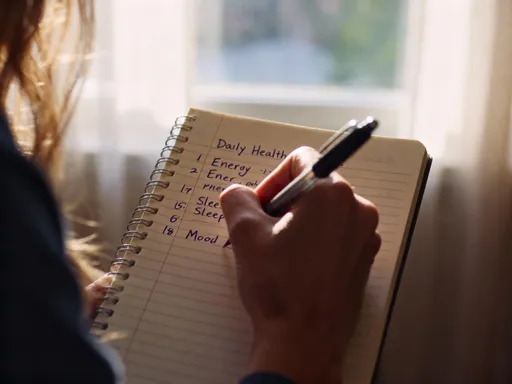
Prevention depends on awareness. You can’t manage what you don’t notice. Yet many people ignore subtle changes in their body until problems become hard to miss. The practice of regular self-check-ins—pausing to observe energy, digestion, mood, and sleep—creates an early warning system. It’s not about obsessive monitoring but about developing a relationship with your body’s signals.
For example, consistent afternoon fatigue may indicate blood sugar fluctuations, poor sleep, or dehydration. Frequent bloating could point to dietary triggers or stress-related digestion issues. Tracking these patterns over time helps identify root causes, not just symptoms. A simple notebook, notes app, or wellness journal can be used to record observations. Noting that you feel energized after walks or calm after meditation reinforces positive habits.
Medical check-ups and lab tests are also part of this awareness. Annual physicals, blood pressure checks, and routine screenings provide objective data that complements personal observations. These visits should not be feared but welcomed as tools for staying ahead of health concerns. When combined with daily self-awareness, they offer a complete picture of well-being.
The power of tracking lies in its ability to reveal trends. A single day of poor sleep or a bad meal doesn’t define health, but patterns do. Seeing improvement—like fewer headaches, better digestion, or more stable moods—reinforces motivation. This habit turns health from a reactive effort into a proactive practice. Knowledge, when used wisely, becomes one of the most powerful forms of protection.
Building a Lifestyle That Protects You—Without Perfection
Sustainable health is not about flawless routines or rigid rules. It’s about progress, not perfection. One missed workout, a night of poor sleep, or an indulgent meal does not erase the benefits of consistent effort. The goal is not to be perfect but to be persistent. Small, repeatable choices—choosing water over soda, walking instead of driving short distances, or pausing to breathe during a stressful moment—accumulate into lasting resilience.
Compassion is essential. Many women hold themselves to high standards, feeling guilty when they “fall off track.” But health is not a test; it’s a lifelong journey. Setbacks are normal and expected. What matters is returning to your habits with kindness, not criticism. Celebrating small wins—like drinking more water, getting to bed earlier, or taking a walk after dinner—builds confidence and momentum.
The most effective health strategies are those that fit into real life. They don’t require expensive supplements, extreme diets, or hours at the gym. They are simple, science-backed, and sustainable. Over time, these daily choices create a strong internal environment—one where the body can defend, repair, and thrive. Prevention is not dramatic, but it is powerful. It happens quietly, in the choices made every day, building a life of energy, clarity, and strength—one smart habit at a time.