Move Better, Live Stronger: How Real Movement Keeps You Feeling Fresh Every Day
Living well isn’t about extreme workouts or perfect routines—it’s about moving in ways that actually work for your body. Many believe fitness means long gym sessions or high-intensity classes, but the reality is different. What truly sustains health is consistent, purposeful movement integrated into daily life. The goal isn’t to push harder, but to move smarter. When effort aligns with ability, results follow—not overnight, but steadily. This approach reduces injury risk, supports joint health, and builds energy over time. For women managing homes, careers, and families, this kind of realistic fitness isn’t just helpful—it’s essential.
The Problem with “All or Nothing” Fitness
Many people begin fitness journeys with high hopes, only to feel defeated weeks later. They commit to six-day workout plans, strict diets, and intense regimens promoted online. These programs often promise rapid transformation, but they rarely account for real-life demands. Responsibilities like childcare, housework, or long workdays make rigid schedules unsustainable. When life interferes, motivation drops. The result? Guilt, frustration, and abandonment of the entire effort. This cycle repeats because traditional fitness culture glorifies intensity over consistency.
The “all or nothing” mindset assumes that unless you’re training hard every day, you’re not doing enough. But research shows that moderate, regular movement delivers better long-term outcomes than sporadic, extreme efforts. Pushing too hard too soon increases the risk of injury, especially in connective tissues like tendons and ligaments, which adapt more slowly than muscles. Overtraining can also disrupt sleep, elevate stress hormones, and weaken immunity—counterproductive for overall health. Instead of aiming for perfection, a more effective strategy focuses on what is doable, repeatable, and enjoyable.
For women in midlife, this shift is particularly important. Metabolism naturally slows, joint sensitivity may increase, and recovery time lengthens. A routine that once worked in younger years might now lead to soreness or strain. Rather than forcing the body to comply, a smarter approach listens to it. Small, sustainable changes—like walking after meals or doing gentle stretches in the morning—can yield greater benefits than occasional intense sessions. The goal is not to achieve a certain look, but to maintain strength, balance, and vitality for daily living.
Why Effective Movement Beats Intense Workouts
Not all physical activity produces the same results. Sweating heavily or feeling exhausted after a workout does not necessarily mean it was effective. True effectiveness lies in how well the movement supports functional health—meaning how it improves your ability to perform everyday tasks with ease. Lifting groceries, climbing stairs, playing with grandchildren, or standing comfortably for long periods—all depend on real, practical strength and mobility. These are the outcomes that matter most, especially as we age.
Effective movement engages the right muscle groups, enhances neuromuscular coordination, and promotes joint stability. For example, a slow, controlled squat done with proper form activates the glutes, quads, and core while protecting the knees. In contrast, a fast, high-repetition version might feel more intense but could lead to poor mechanics and strain. The body learns patterns through repetition, so doing movements correctly—even at lower intensity—builds safer, more efficient movement habits over time.
Science supports this approach. Studies on neuromuscular efficiency show that the brain-body connection improves when exercises are performed with focus and control. This leads to better muscle activation, improved balance, and reduced risk of falls. Additionally, low-impact activities like walking or swimming support cardiovascular health without excessive joint stress. The key is consistency and quality, not volume or speed. By prioritizing movement that enhances daily function, women can maintain independence, reduce pain, and feel more capable in their own bodies.
The Science Behind Consistency and Adaptation
The human body thrives on regular input. Physiological changes occur not from one intense workout, but from repeated, manageable effort over time. This principle is known as progressive adaptation. When movement is consistent, the body responds by strengthening bones, improving circulation, and enhancing metabolic function. Connective tissues like tendons and ligaments, which are crucial for joint support, adapt slowly—typically over several weeks or months. They require steady stimulation, not sudden overload, to become more resilient.
Cardiovascular improvements also depend on regularity. The heart, like any muscle, becomes more efficient when challenged consistently. Even moderate activities like brisk walking, when done regularly, can lower resting heart rate, improve blood pressure, and increase stamina. Similarly, metabolic regulation—how the body manages blood sugar and energy—improves with daily movement. Research shows that breaking up long periods of sitting with short walks helps maintain healthy insulin sensitivity, reducing the risk of type 2 diabetes.
Another benefit of consistency is the development of motor patterns. The nervous system learns through repetition. When a movement is practiced regularly, the brain refines the signal to the muscles, making the action smoother and more efficient. This is why someone who walks daily may eventually do so with better posture and less fatigue. These subtle improvements accumulate, leading to greater endurance and reduced strain. The takeaway is clear: one hour of intense exercise once a week cannot compensate for six days of inactivity. Lasting change comes from showing up regularly, even in small ways.
Building a Routine That Fits *Your* Life
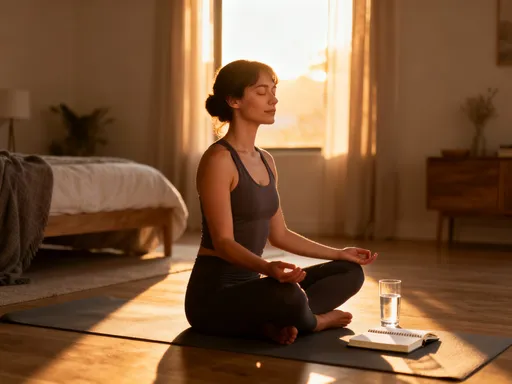
The most effective fitness plan is one that fits seamlessly into your daily routine. It doesn’t require a gym membership, special equipment, or hours of free time. Instead, it works around your energy levels, schedule, and physical comfort. For many women, mornings may offer the most predictable window. A 10-minute routine of gentle stretches, shoulder rolls, and deep breathing can improve circulation and posture before the day begins. Others may find it easier to move in short bursts throughout the day—after phone calls, during TV commercials, or while waiting for dinner to cook.
One practical strategy is habit stacking—linking movement to existing routines. For example, doing calf raises while brushing teeth, or wall push-ups while waiting for the kettle to boil. These micro-movements add up. Over time, they contribute to muscle engagement, circulation, and joint mobility without requiring extra time. Another approach is scheduling active breaks during sedentary work. Standing up every 30 minutes, walking around the house, or doing a few squats against a sturdy chair can counteract the negative effects of prolonged sitting.
Flexibility is key. Some days, energy will be high; others, fatigue or stress may limit what feels possible. A sustainable routine allows for variation. On low-energy days, a five-minute stretch or slow walk is still valuable. The goal is not perfection, but continuity. By designing a plan that respects real-life demands, women are more likely to stick with it long-term. This kind of adaptability fosters self-trust and reduces the guilt often associated with missed workouts. Fitness becomes less of a chore and more of a natural part of daily living.
Key Movement Types That Deliver Real Results
Three categories of movement form the foundation of lifelong health: functional strength, low-impact endurance, and mobility work. Each plays a distinct role in maintaining physical well-being and can be practiced at home with minimal equipment. Functional strength refers to exercises that mimic daily activities—lifting, carrying, pushing, or reaching. These movements build the power needed for real-life tasks. Examples include bodyweight squats, step-ups on a stair, or carrying grocery bags up from the car. These actions strengthen the legs, core, and upper body in practical ways.
Low-impact endurance activities support heart health and stamina without straining joints. Walking is one of the most accessible and effective forms. Whether it’s a 20-minute loop around the neighborhood or a brisk pace during errands, walking improves circulation, aids digestion, and boosts mood. Cycling, swimming, or using a stationary bike are also excellent choices, especially for those with joint sensitivity. The goal is to sustain a slightly elevated heart rate for a period, which strengthens the cardiovascular system over time.
Mobility work focuses on maintaining range of motion and joint health. As we age, stiffness can develop in the hips, shoulders, and spine—limiting movement and increasing discomfort. Gentle stretching, yoga-inspired poses, or tai chi movements help preserve flexibility. Simple practices like neck rolls, shoulder circles, or seated spinal twists can be done daily. Posture correction is also part of mobility; being mindful of sitting posture, avoiding slouching, and using supportive chairs all contribute to long-term spinal health. Together, these three movement types create a balanced approach that supports strength, stamina, and ease of motion.
Tracking Progress Beyond the Scale
Weight is a limited measure of health. It doesn’t reflect changes in muscle mass, posture, energy levels, or joint comfort. Relying solely on the scale can be misleading and discouraging, especially when effort doesn’t immediately show in numbers. A more meaningful approach is to observe how movement feels. Are stairs easier to climb? Can you play with children or grandchildren without getting winded? Do you stand taller or move with less stiffness in the morning?
These subtle improvements are powerful indicators of progress. Better sleep quality, increased stamina, and reduced joint discomfort are signs that the body is responding positively to regular movement. Some women notice they can carry laundry baskets more easily or stand in the kitchen longer without fatigue. Others report improved balance—feeling more stable when stepping off a curb or turning quickly. These functional gains reflect real health benefits that the scale cannot capture.
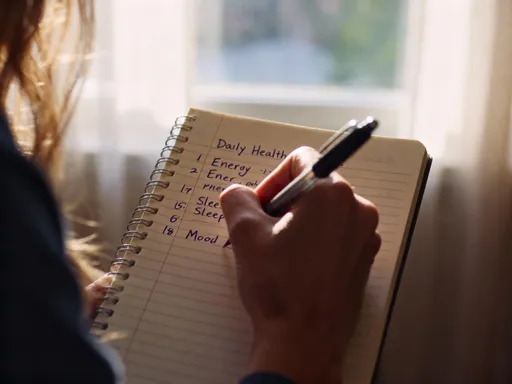
Another useful tracking method is keeping a simple journal. Noting how you feel after daily movement—more energy, less tension, improved mood—helps reinforce the value of consistency. Photos or videos taken over months can also show changes in posture and movement quality. Celebrating non-scale victories builds motivation and shifts focus from appearance to capability. When progress is measured by how well the body functions, rather than how it looks, the motivation to keep moving becomes more intrinsic and lasting.
Staying Motivated Without Burning Out
Motivation naturally fluctuates. Relying on willpower alone is not a sustainable strategy. What lasts is a system—small, repeatable habits supported by cues and rewards. For example, placing walking shoes by the door serves as a visual cue to take a walk. Pairing movement with something enjoyable, like listening to a favorite podcast or calling a friend, turns it into a rewarding experience. Over time, these associations make the habit easier to maintain.
Accountability also helps. Sharing goals with a family member, joining a walking group, or using a simple tracker can provide gentle encouragement. The key is to avoid pressure. Fitness should not feel like a punishment or obligation. On days when energy is low, self-compassion is essential. Resting is not failure—it’s part of a balanced approach. Listening to the body builds trust and prevents burnout.
Viewing fitness as a lifelong conversation with your body shifts the mindset from short-term goals to long-term care. It’s not about achieving a certain look for a vacation or event, but about feeling strong and capable every day. This perspective fosters patience and consistency. Over time, movement becomes less of a task and more of a natural expression of self-respect. Women who adopt this mindset often find that they move more not because they have to, but because it feels good. That’s when true, lasting change begins.
True health isn’t found in extremes—it’s built through smart, sustainable choices. By focusing on effective movement, not just effort, you create a body that feels good every day. This isn’t a quick fix; it’s a life upgrade. When movement is aligned with your lifestyle, energy, and goals, it becomes a source of strength, confidence, and vitality. The best time to start is not tomorrow or next week, but now—with one small, purposeful step forward.