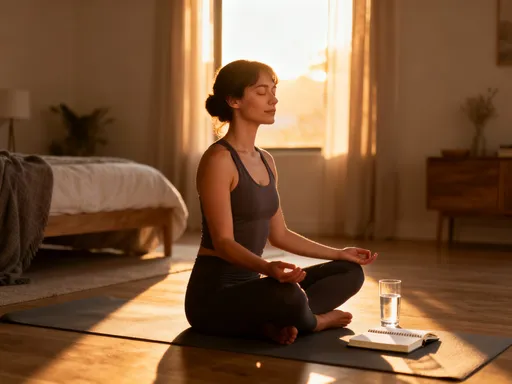
How Yoga and Mindfulness Changed My Daily Health Routine – A Real Talk
Have you ever felt overwhelmed by stress, low energy, or trouble focusing, even when nothing seems wrong? I’ve been there. What changed for me wasn’t a quick fix, but a consistent blend of yoga and mindfulness rooted in traditional wisdom. These practices aren’t just about flexibility or silence—they’re about tuning into your body and mind. Over time, I noticed better sleep, clearer thoughts, and more balance. This is a science-backed, real-life look at how combining yoga and meditation supports overall well-being—naturally and sustainably.
The Modern Burnout Problem
In today’s fast-moving world, many women in their 30s, 40s, and 50s find themselves caught in a cycle of constant doing. Responsibilities at home, work, and in the community often leave little time for rest or self-care. The result? Chronic stress, mental fatigue, and physical tension have become almost routine. Symptoms like difficulty falling asleep, frequent irritability, brain fog, and low energy are no longer rare—they’re common. Yet, many dismiss these signs as simply part of adult life, especially during the busy years of raising children or caring for aging parents.
What’s less discussed is how these daily pressures silently affect long-term health. Prolonged stress activates the body’s fight-or-flight response, flooding the system with stress hormones like cortisol. When this state becomes chronic, it can disrupt sleep, weaken immunity, and contribute to weight gain, digestive issues, and mood imbalances. The body wasn’t designed to stay in high alert indefinitely. Over time, this wear and tear can lead to burnout—a state of emotional, physical, and mental exhaustion that feels impossible to climb out of.
Amid this growing health challenge, more people are turning to natural, non-invasive ways to restore balance. Among the most effective are yoga and mindfulness—practices that don’t require medication, special equipment, or hours of free time. Instead, they rely on awareness, breath, and gentle movement. These tools help the nervous system shift from stress to calm, offering a way to reset both body and mind. Scientific interest in mind-body practices has surged, with studies showing measurable improvements in stress levels, sleep quality, and emotional health among regular practitioners.
What makes yoga and mindfulness especially valuable is their accessibility. Unlike intense workouts or restrictive diets, they don’t demand perfection or extreme effort. They meet people where they are—whether sitting at a kitchen table, standing in a quiet hallway, or lying in bed. For busy women managing multiple roles, these practices offer a realistic path to reclaiming energy, focus, and peace.
What Exactly Are Yoga and Mindfulness?
When most people think of yoga, they picture complex poses or flexible bodies twisted into pretzel-like shapes. But yoga is much more than physical exercise. At its core, yoga is a holistic system that integrates movement, breath control, and mental focus. The physical postures—called asanas—are just one part of a broader practice designed to align the body and mind. Breathing techniques, known as pranayama, help regulate energy and calm the nervous system. Meditation and self-inquiry encourage inner awareness, helping practitioners stay present and grounded.
Mindfulness, often paired with yoga, is the practice of paying attention to the present moment without judgment. It means noticing thoughts, feelings, and sensations as they arise—without trying to change them or react immediately. For example, when a wave of frustration comes during a hectic day, mindfulness allows space to observe it rather than act on it impulsively. This pause creates room for choice, helping to break automatic stress responses that can harm both mental and physical health.
Both yoga and mindfulness have deep roots in ancient wellness traditions, particularly from India and elements of traditional Chinese philosophy. These systems have been refined over thousands of years, emphasizing harmony between body, mind, and environment. While modern life looks very different from ancient times, the core principles remain relevant. Today’s adaptations—such as shorter sessions, chair-based yoga, or guided audio practices—make these tools fit into real schedules without losing their essence.
What’s important to understand is that these practices are not about achieving a perfect pose or clearing the mind completely. They’re about showing up, tuning in, and building awareness over time. Whether it’s a five-minute breathing exercise in the morning or a mindful walk around the block, each moment of practice strengthens the mind-body connection. This gradual shift supports greater resilience, helping women navigate daily demands with more clarity and calm.
The Science Behind the Calm: How It Works in Your Body
One reason yoga and mindfulness are gaining recognition in mainstream health is the growing body of scientific evidence supporting their benefits. Research shows these practices directly influence the nervous system, particularly by activating the parasympathetic branch—the part responsible for rest, digestion, and recovery. When you engage in slow, intentional breathing or gentle movement, your body receives signals that it’s safe to relax. This counters the overactive sympathetic nervous system, which drives the stress response.
One of the most measurable effects is a reduction in cortisol, the primary stress hormone. Elevated cortisol levels over time are linked to a range of health issues, including poor sleep, weight gain around the abdomen, and weakened immune function. Studies have found that regular yoga and mindfulness practice can significantly lower cortisol levels, leading to improved mood and energy. At the same time, heart rate and blood pressure tend to decrease, supporting cardiovascular health and reducing strain on the body.
Another key benefit is improved heart rate variability (HRV), a marker of the body’s ability to adapt to stress. Higher HRV is associated with better emotional regulation, resilience, and overall fitness. Mindful breathing and yoga postures that emphasize extension and release—such as forward folds and gentle twists—have been shown to enhance HRV over time. This means the body becomes more efficient at switching between activity and rest, making daily challenges feel more manageable.
Brain imaging studies further reveal structural changes in people who practice regularly. Areas related to attention, emotional regulation, and self-awareness—such as the prefrontal cortex and hippocampus—show increased gray matter density. Meanwhile, the amygdala, which processes fear and threat, tends to become less reactive. These neurological shifts explain why many women report feeling calmer, more focused, and less reactive after weeks or months of consistent practice. The brain literally rewires itself in response to repeated mindful attention.
Physical Health Benefits You Can Actually Feel
While the mental and emotional benefits of yoga and mindfulness are profound, the physical improvements are often the most immediately noticeable. One of the first changes many women experience is greater flexibility. Tight shoulders from hours at a desk, stiff hips from sitting, or a sore lower back from lifting and bending—these common discomforts begin to ease with regular, gentle stretching. Unlike aggressive stretching or intense workouts, yoga encourages movement within a comfortable range, reducing the risk of strain while gradually improving mobility.
Posture is another area that sees real improvement. Many women in midlife notice they’ve started to slouch or carry tension in the upper back and neck. Yoga strengthens the postural muscles—especially in the core, shoulders, and spine—helping the body support itself more efficiently. Poses like Mountain Pose, Cat-Cow, and gentle backbends promote alignment and body awareness, making it easier to sit and stand with greater ease throughout the day.
Beyond flexibility and posture, yoga supports circulation and digestion. Twisting poses gently massage the internal organs, stimulating healthy digestive function. Inverted positions—such as legs-up-the-wall—help blood flow back from the legs, reducing swelling and improving circulation. Even simple practices like diaphragmatic breathing enhance oxygen delivery to tissues, supporting cellular health and energy production. Over time, these small shifts contribute to a stronger, more resilient body.
Perhaps most valuable for women managing chronic discomfort is yoga’s role in reducing muscle tension. Many report relief from persistent aches in the neck, back, and hips after incorporating gentle daily movement. Because yoga emphasizes awareness, practitioners learn to notice tension before it becomes pain. This early detection allows for timely release through stretching, breathing, or rest. The key is consistency, not intensity. A 10-minute daily routine can yield more lasting results than an hour-long session once a week. Over time, the body learns to release stored stress, leading to greater comfort and ease in daily life.
Mental and Emotional Gains: More Than Just Relaxation
The emotional benefits of yoga and mindfulness extend far beyond temporary relaxation. Many women find that regular practice helps reduce rumination—the habit of dwelling on negative thoughts or past events. Instead of getting caught in mental loops, mindfulness teaches how to observe thoughts as passing clouds, not absolute truths. This shift in perspective creates emotional distance, making it easier to respond thoughtfully rather than react impulsively.
Yoga also plays a role in mood regulation. Physical movement, especially when linked with breath, stimulates the release of endorphins and other feel-good chemicals in the brain. At the same time, the focused attention required in yoga helps quiet mental chatter, reducing anxiety and mental fatigue. Over weeks of practice, many women notice they feel more emotionally balanced, less reactive to stress, and better able to handle daily frustrations without becoming overwhelmed.
Another powerful outcome is increased self-awareness. As women learn to tune into their bodies and thoughts, they begin to recognize patterns—such as how stress shows up physically, or what triggers irritability. This awareness supports better decision-making, whether it’s choosing to pause before responding to a difficult email or noticing when rest is needed. Emotional regulation becomes less about suppression and more about understanding and care.
It’s important to note that these changes don’t happen overnight. Results are subtle at first—a slightly calmer morning, a moment of patience during a busy afternoon. But with regular practice, these small shifts accumulate into lasting transformation. The mind becomes less reactive, the heart more open, and daily life feels more manageable. This isn’t about achieving constant happiness, but about building resilience—the ability to face life’s ups and downs with greater ease and grace.
Making It Work in Real Life: Simple Ways to Start
One of the biggest barriers to starting yoga and mindfulness is the belief that it requires too much time, space, or expertise. The truth is, even small, consistent efforts can make a meaningful difference. The goal isn’t perfection, but presence. For women juggling work, family, and personal responsibilities, integrating these practices into existing routines is the most sustainable approach.
A simple way to begin is with five minutes of breathwork each morning. Sit comfortably, close the eyes, and take slow, deep breaths—inhaling through the nose, exhaling fully. This practice signals safety to the nervous system and sets a calm tone for the day. Another option is a short midday stretch—standing and reaching the arms overhead, gently twisting the spine, or rolling the shoulders. These movements release tension and refresh focus without requiring a mat or special clothing.
At bedtime, a body scan can support better sleep. Lie down and bring attention slowly from the toes to the head, noticing areas of tension and consciously relaxing them. This practice helps transition the body from wakefulness to rest. Mindfulness can also be woven into daily activities—such as paying full attention while drinking tea, walking mindfully from the car to the house, or eating a meal without distractions. These moments of awareness train the brain to stay present, reducing mental clutter.
For those new to the practice, many beginner-friendly resources are available, including community classes, online videos, and audio guides. The key is to choose options that feel supportive and non-intimidating. There’s no need to master every pose or sit in silence for 30 minutes. Starting small—just a few minutes a day—builds confidence and habit. Over time, the practice naturally deepens, not because of pressure, but because of the noticeable benefits.
When to Seek Support and Stay Safe
While yoga and mindfulness are generally safe for most people, it’s important to approach them as part of a balanced health strategy, not a replacement for medical care. Women with existing health conditions—such as joint issues, high blood pressure, or chronic pain—should consult a healthcare provider before beginning a new routine. A doctor or physical therapist can offer guidance on safe movements and modifications, ensuring the practice supports rather than strains the body.
Listening to the body is essential. Yoga should never cause pain. If a pose feels uncomfortable or triggers sharp sensations, it’s important to stop or adjust. Modifications—such as using a chair, wall, or cushion—can make poses accessible and comfortable. The goal is gentle exploration, not pushing limits. Mindfulness, too, should feel grounding, not overwhelming. If sitting with thoughts brings up intense emotions, it may help to practice with guidance or speak with a trained professional.
Sustainability is key. A respectful, patient approach yields the best long-term results. This means honoring rest days, adjusting practice to energy levels, and avoiding comparison with others. Every body is different, and progress is personal. The most important thing is consistency, not intensity. Over time, these practices become a source of strength, not another item on a to-do list.
Ultimately, yoga and mindfulness work best when integrated into a broader healthy lifestyle that includes nutritious food, adequate sleep, and meaningful connections. They are tools, not cures, but powerful ones when used with awareness and care. By combining ancient wisdom with modern understanding, women can build a daily routine that supports lifelong well-being—one breath, one moment at a time.
Yoga and mindfulness aren’t magic, but they are powerful when practiced with patience and awareness. They offer a natural way to reconnect with your body, quiet mental noise, and build lasting resilience. This isn’t about perfection—it’s about showing up, breathing, and moving with intention. Over time, these small moments add up to real change. By blending ancient wisdom with modern understanding, we gain tools to support lifelong health—one breath at a time.